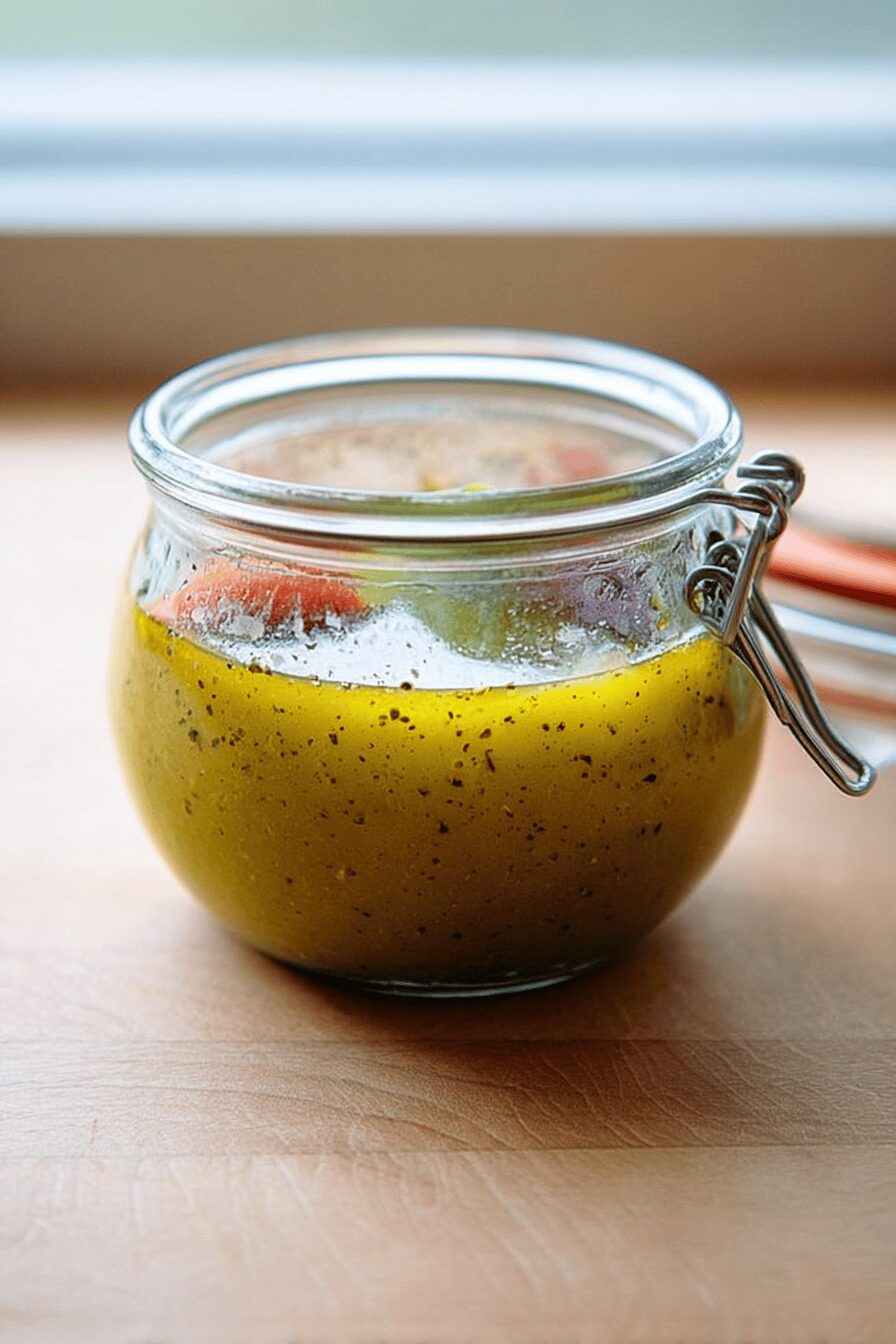
Beyond Salad: Unlocking the Full Potential of Authentic Greek Dressing
When you hear "greek salad dressing," your mind likely conjures images of crisp lettuce, juicy tomatoes, cucumbers, and Kalamata olives. And while it undoubtedly excels in this traditional role, limiting this vibrant concoction to just salads is like owning a sports car and only driving it to the grocery store. Authentic Greek dressing, with its balanced acidity, herbaceous notes, and rich olive oil base, is a culinary powerhouse ready to elevate countless dishes far beyond the salad bowl.
This Mediterranean marvel is more than just a condiment; it's a flavor profile in itself. Comprising simple, high-quality ingredients like olive oil, fresh lemon juice, red wine vinegar, pungent garlic, aromatic Greek oregano, a touch of mustard for emulsification, and essential salt and pepper, it delivers a punchy, zesty, and deeply satisfying taste. The true beauty lies in its versatility, transforming everyday meals into something extraordinary with minimal effort. Let's explore how you can make this homemade gem a staple in your kitchen, unlocking a world of flavor.
The Secret to an Exceptional Greek Dressing: Quality Ingredients
The foundation of any truly spectacular homemade Greek dressing lies in the quality of its components. Unlike recipes with a long list of ingredients where some can hide behind others, a simple dressing demands excellence from each element. This dedication to superior ingredients ensures a dressing that not only tastes authentic but also provides the perfect balance to whatever dish it graces.
- Greek Olive Oil: This is non-negotiable for authenticity and flavor. A high-quality extra virgin Greek olive oil offers a fruity, sometimes peppery, and robust character that inferior oils simply cannot replicate. It provides the richness and body crucial to the dressing. If Greek olive oil is elusive, opt for the best quality extra virgin olive oil you can find, but note the subtle difference in aroma and taste.
- Fresh Lemon Juice: Bottled lemon juice pales in comparison to the bright, zesty tang of freshly squeezed lemons. The natural acidity and vibrant aroma are key to balancing the richness of the olive oil and the sharpness of the vinegar.
- Red Wine Vinegar: Providing a deeper, more complex acidity than white vinegar, red wine vinegar adds an essential layer of flavor. It works in harmony with the lemon juice, ensuring the dressing isn't overwhelmingly tart but perfectly zingy.
- Greek Oregano: For this dressing, dry Greek oregano is king. Its intense aroma and unique, slightly peppery flavor are far superior to fresh oregano, which can be milder. This herb is the quintessential taste of the Mediterranean.
- Fresh Garlic: Locally grown, fresh garlic offers a pungency and depth that processed or older garlic lacks. It's an aromatic backbone that ties all the flavors together without being overpowering.
- Dijon Mustard: While it contributes a subtle piquancy, the primary role of mustard in this recipe is as an emulsifier. It helps bind the oil and acidic liquids together, preventing separation and creating a smooth, cohesive dressing. Even a good yellow mustard can work in a pinch.
- Salt & Pepper: These basic seasonings are critical for enhancing and rounding out all the other flavors. Season to taste, ensuring the dressing is perfectly balanced.
By prioritizing these top quality ingredients for your best homemade Greek dressing, you're not just making a dressing; you're crafting a culinary foundation that will elevate every dish it touches.
Beyond the Leaf: Unexpected Ways to Use Your Greek Dressing
Now, let's dive into the exciting world beyond the typical salad bowl. Your authentic Greek salad dressing is about to become your kitchen's most versatile secret weapon.
Mediterranean Marinades for Meats and Vegetables
The blend of olive oil, lemon juice, and vinegar in authentic Greek salad dressing makes it an exceptional marinade. The acids tenderize proteins, while the herbs and garlic infuse deep, aromatic flavors. It's a quick and easy way to prep for grilling, roasting, or pan-searing.
- Chicken: Marinate chicken breasts, thighs, or skewers for at least 30 minutes (up to 4 hours for deeper flavor). Grill, bake, or pan-fry for juicy, flavorful results that evoke the Greek islands.
- Fish & Seafood: Delicate fish like salmon, cod, or snapper, as well as shrimp, benefit from a quick 15-30 minute soak. The lemon and herbs perfectly complement the natural sweetness of seafood.
- Pork: Pork chops or tenderloin can be marinated for a few hours to tenderize and add a Mediterranean flair, especially delicious when grilled.
- Vegetables: Cut bell peppers, zucchini, red onion, cherry tomatoes, and mushrooms into chunks. Toss them generously with the dressing and either grill them on skewers, roast them in the oven, or sauté them for a vibrant side dish or addition to grain bowls.
Elevating Roasted & Grilled Dishes
Don't stop at marinating; Greek dressing can also be used to finish dishes or enhance them during cooking.
- Roasted Potatoes: As suggested in the reference context, toss cubed potatoes (and even sweet potatoes!) with Greek dressing before roasting. The olive oil ensures crispiness, while the lemon, garlic, and oregano create an irresistible aroma and taste.
- Roasted Vegetables: A simple drizzle over roasted broccoli, asparagus, carrots, or Brussels sprouts before or after roasting adds a burst of freshness and complexity.
- Grilled Halloumi: Grill slices of halloumi cheese and then drizzle with Greek dressing for a salty, tangy, and absolutely addictive appetizer or salad topping.
A Flavorful Boost for Grains, Dips, and Sandwiches
Think outside the hot meal and consider how your homemade dressing can brighten up lighter fare.
- Grain Bowls & Pasta Salads: Tired of bland quinoa or farro? Whisk in some Greek dressing to transform plain grains into a flavorful base for a healthy meal. It's also fantastic in cold pasta salads (like orzo or couscous salad) with chopped vegetables and feta cheese.
- Dips & Spreads: Stir a tablespoon or two into hummus for an extra layer of garlicky, lemony goodness. Or, mix it with plain Greek yogurt for a quick, lighter dip reminiscent of tzatziki, perfect for crudités or pita bread.
- Sandwiches & Wraps: Ditch the mayonnaise! Drizzle Greek dressing inside chicken or veggie wraps, or brush it onto sandwich bread for a vibrant, Mediterranean-inspired twist. It's especially good with falafel or grilled chicken sandwiches.
Storage Tips for Longevity and Flavor
Making a batch of authentic Greek salad dressing in advance is smart meal prep. Store your homemade concoction in an airtight jar or container in the refrigerator. It typically keeps well for up to 5-7 days. Because it contains olive oil, it's normal for the dressing to separate and the oil to solidify slightly when chilled. Simply allow it to come to room temperature for 10-15 minutes, then give it a vigorous shake or whisk before serving to re-emulsify and ensure all the flavors are perfectly combined.
Conclusion
The humble greek salad dressing is anything but ordinary. Its simple yet powerful combination of top-quality ingredients creates a vibrant flavor profile that truly goes "beyond salad." From tenderizing marinades and flavorful roasted vegetables to bright grain bowls and zesty dips, the versatility of this Mediterranean staple knows no bounds. By making your own homemade batch, you gain control over the quality and freshness, ensuring every dish benefits from its authentic, exhilarating taste. So, next time you whip up a batch, think outside the bowl and let this incredible dressing transform your everyday cooking into a feast of Mediterranean delights.
