The Foundation of Flavor: Why Quality Matters for Your Greek Salad Dressing
There's nothing quite like the vibrant, tangy, and aromatic taste of an authentic homemade Greek dressing. It instantly transports you to sun-drenched Mediterranean shores, making even the simplest greens sing with flavor. While countless recipes for greek salad dressing exist, the true secret to an extraordinary one lies not just in the recipe itself, but profoundly in the quality of each ingredient. When a dressing relies on only a handful of components, each one takes center stage, and its individual character profoundly impacts the final symphony of flavors. Skimping on quality can lead to a flat, uninspired dressing, while investing in the best ingredients elevates your culinary creation from good to absolutely unforgettable. Let's delve into the essential elements that will transform your homemade Authentic Greek Salad Dressing with This Easy Recipe into a masterpiece.
Unveiling the Essential Ingredients: A Deep Dive into Authenticity
The Liquid Gold: Olive Oil
At the heart of any traditional greek salad dressing is olive oil, and not just any olive oil. The reference rightly points to Greek olive oil, and for good reason. Greek olive oil, particularly extra virgin, boasts a distinct fruity aroma, a peppery finish, and a depth of flavor that is truly unparalleled. It’s more than just a fat; it’s a foundational flavor. If authentic Greek olive oil isn't readily available, always opt for a high-quality extra virgin olive oil. Look for bottles that specify "cold-pressed" and come in dark glass to protect against light degradation. A good quality EVOO will offer a richer mouthfeel and more complex notes, making a significant difference in your dressing.
The Tangy Balance: Red Wine Vinegar & Fresh Lemon Juice
A truly authentic greek salad dressing achieves a perfect balance of acidity using both vinegar and fresh lemon juice. Red wine vinegar contributes a subtle, robust tang and a beautiful ruby hue. Its acidity is softer and more rounded than some other vinegars, making it ideal for this dressing. When selecting, choose a good quality red wine vinegar without added sugars or artificial flavors. Paired with this, fresh lemon juice is non-negotiable. While bottled lemon juice offers convenience, it simply cannot compare to the bright, zesty, and aromatic punch of freshly squeezed lemon. The minimal effort of juicing a fresh lemon is an investment in unparalleled freshness and flavor that truly pays off, offering a vibrant lift that bottled versions lack.
The Aromatic Soul: Greek Oregano & Garlic
These two ingredients infuse the dressing with its characteristic Mediterranean soul. When it comes to oregano, the dry Greek variety stands head and shoulders above the rest. Its aroma is incredibly intense, and its flavor is wonderfully unique—earthy, slightly bitter, and deeply aromatic. The drying process actually concentrates its essential oils, making it more potent than fresh oregano for this specific application. For the best results, look for dried Greek oregano sold on the stem or in small batches, indicating higher quality. Similarly, garlic is pivotal. The reference wisely advises seeking out locally grown garlic, if possible. The flavor profile of fresh, locally sourced garlic is far superior to imported or bleached varieties, which can have a harsher, less nuanced taste. When preparing, finely mince or grate your garlic to ensure its pungent goodness is evenly distributed throughout the dressing.
The Unsung Hero: Mustard for Emulsification
Often overlooked, mustard plays a crucial role in creating a smooth, cohesive greek salad dressing. Its primary function isn't just flavor (though it does add a subtle peppery note) but rather emulsification. Mustard contains compounds that help to bind the oil and the acid (lemon juice and vinegar), preventing them from separating. Without it, you'd likely end up with a dressing where the oil floats stubbornly on top. While Dijon mustard is a popular choice for its mild pungency and creamy texture, even a simple yellow mustard will effectively do the job of combining your ingredients into a harmonious blend. It's truly the unsung hero that gives your dressing that desirable smooth consistency.
The Finishing Touch: Salt & Pepper
Basic but essential, salt and pepper are the final seasonings that bring all the flavors into focus. Use a good quality sea salt, which offers a cleaner, purer taste than table salt. Freshly cracked black pepper adds an aromatic zing that pre-ground pepper simply can't replicate. Always add these to taste, adjusting until the dressing reaches your personal preference for seasoning. A pinch more can often elevate the entire flavor profile.
Mastering the Balance: Acidity, Emulsification, and Beyond
The beauty of an authentic greek salad dressing lies in its balanced profile. The careful combination of both lemon juice and red wine vinegar creates a nuanced acidity that is zesty without being overwhelmingly sour. This dual approach ensures a depth of flavor that a single acidic component might miss. As mentioned, the mustard then works its magic, ensuring that this flavorful acidic blend marries perfectly with the rich olive oil, creating a stable emulsion. This stability means every spoonful of your dressing delivers a consistent burst of flavor, coating your salad greens beautifully without separating into oily and watery layers.
Expert Tip: When whisking, pour the olive oil in a slow, steady stream while continuously whisking the other ingredients. This gradual addition helps the mustard properly bind the oil and acid, ensuring a smooth, creamy texture.
Beyond the Bowl: Versatile Applications for Your Homemade Elixir
While this exquisite greek salad dressing is, of course, magnificent over traditional Greek salads, its versatility extends far beyond the salad bowl. Its robust yet balanced flavor profile makes it an incredible culinary tool in various applications. Drizzle it generously over grilled or roasted vegetables like bell peppers, zucchini, or asparagus to add a burst of Mediterranean flavor. It transforms simple roasted potatoes into a vibrant side dish. Perhaps one of its most impressive uses is as a marinade. Its acidic components tenderize proteins beautifully while infusing them with incredible flavor. Use it to marinate chicken, fish, lamb, or even firm tofu before grilling, baking, or pan-searing. For more exciting ideas, explore how this dressing can elevate your meals in our article: Beyond Salad: Versatile Uses for Authentic Greek Dressing.
Crafting Your Signature Greek Salad Dressing: Tips for Perfection
- Taste and Adjust: The most important tip for any homemade dressing is to taste as you go. Ingredients can vary in intensity, so always adjust the salt, pepper, and even the acidity to suit your palate.
- Make Ahead: This dressing often tastes even better after a few hours or overnight in the refrigerator, allowing the flavors to meld. Store it in an airtight jar for up to 5-7 days. If it separates, simply give it a good shake or whisk before serving.
- Freshness is Key: While dry Greek oregano is preferred, ensure your spices aren't stale. Spices lose potency over time, so refresh your stock if they've been sitting in the pantry for years.
- Room Temperature Oil: Using olive oil at room temperature can sometimes aid in better emulsification, as cold oil can be thicker and harder to combine.
The Simple Process: Whisk or Shake
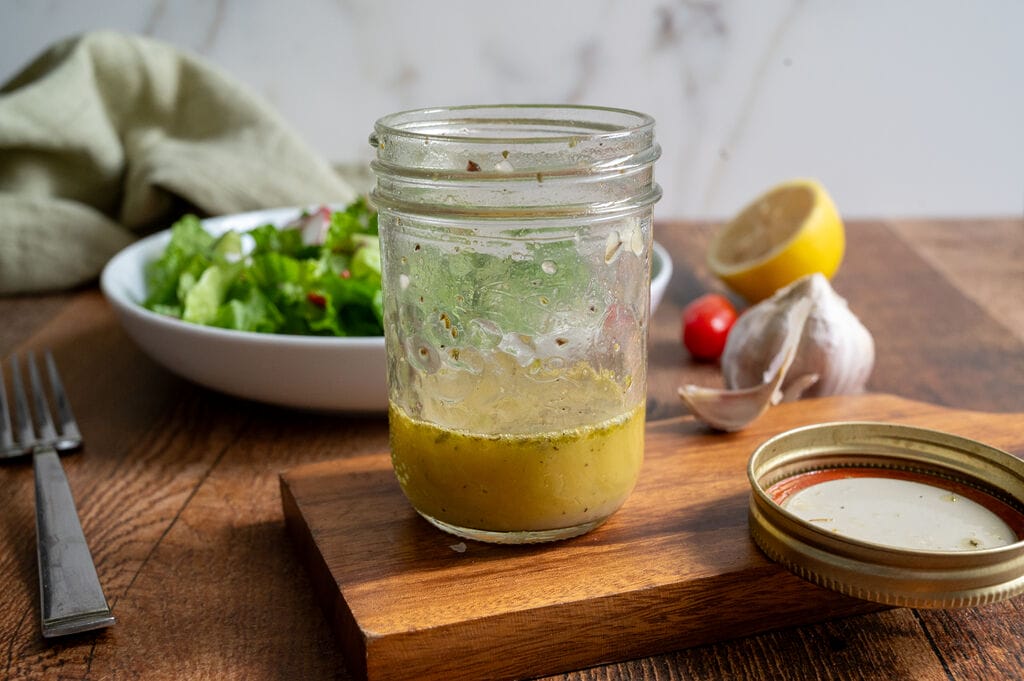
Making your own authentic Greek salad dressing is incredibly simple. Once you have your top-quality ingredients ready, the process is straightforward. Combine all ingredients in a bowl and whisk vigorously until well combined and emulsified. Alternatively, for even less fuss, place all ingredients into a jar with a tight-fitting lid, cover, and shake vigorously until everything is beautifully blended. It's that easy to create a gourmet dressing that far surpasses any store-bought alternative.
Conclusion
Crafting the best homemade greek salad dressing is a rewarding culinary endeavor that underscores the timeless principle that quality ingredients are the cornerstone of exceptional food. By choosing the finest extra virgin Greek olive oil, fresh lemon juice, potent Greek oregano, and supporting ingredients like red wine vinegar, garlic, and Dijon mustard, you're not just making a dressing; you're creating an experience. The resulting dressing will not only elevate your salads but also unlock a world of culinary possibilities, bringing the vibrant, sun-kissed flavors of the Mediterranean straight to your kitchen. So, gather your premium ingredients, follow these simple steps, and prepare to delight your taste buds with a truly unforgettable homemade Greek dressing.
